WHISKEY · SEPTEMBER 16, 2026 · 6 MIN READ
Whiskey Cask Finishing Explained: Port, Sherry, Rum, and Wine Barrels
How a few extra months in a different barrel changes everything
By SipSeek Editorial
Most whisky spends its entire life in one type of cask, usually ex-bourbon or ex-sherry oak. A "finished" whisky does something extra: after the primary maturation, it is transferred into a different cask, one that previously held Port, Sherry, rum, or wine, for a shorter second stretch, anywhere from a few months to a couple of years. That final stay adds a distinct layer of flavor and color on top of whatever the base spirit already picked up.
Sherry cask
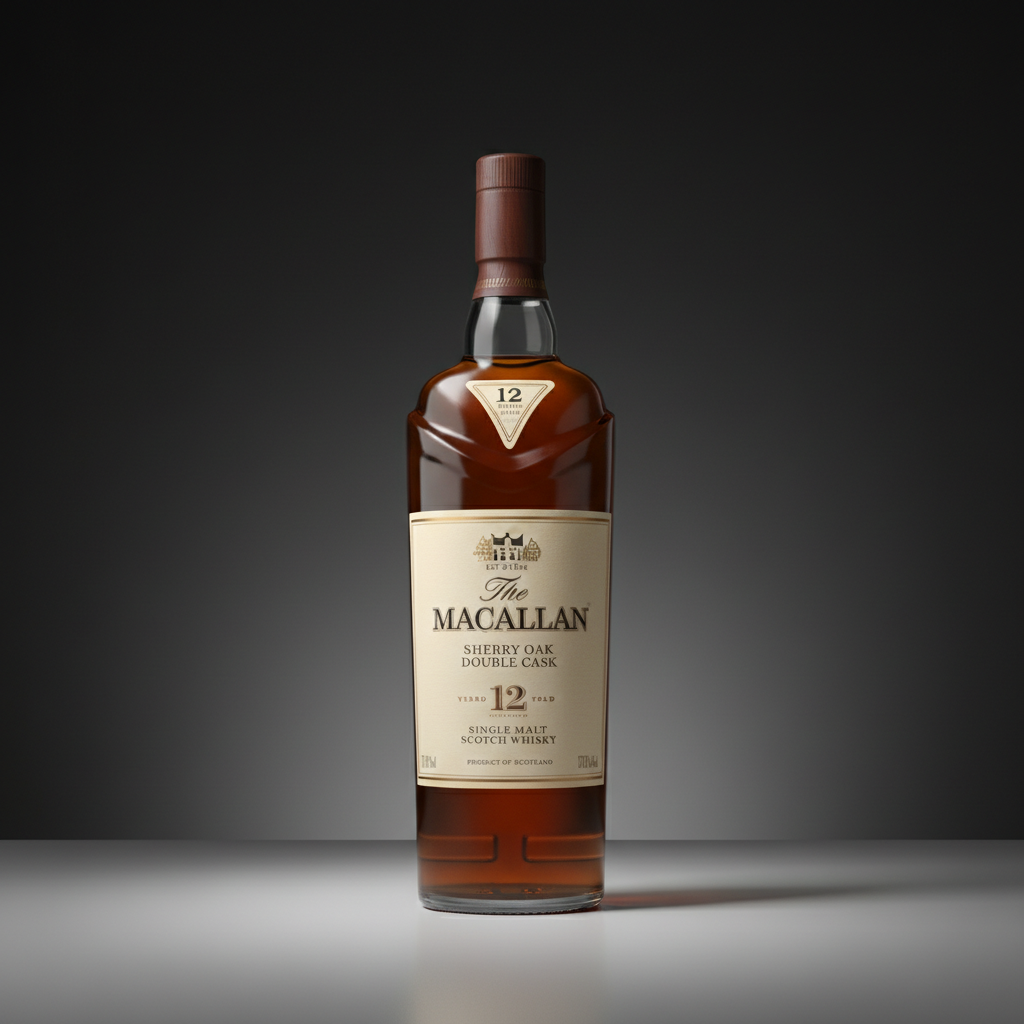
The most common finish, and also common as a primary maturation cask. Sherry casks bring dried fruit, raisin, walnut, and a rich, almost Christmas-cake sweetness. Macallan built its entire reputation around sherry oak maturation, and its 12 Year Old Sherry Oak is the reference point for the style.
Port cask
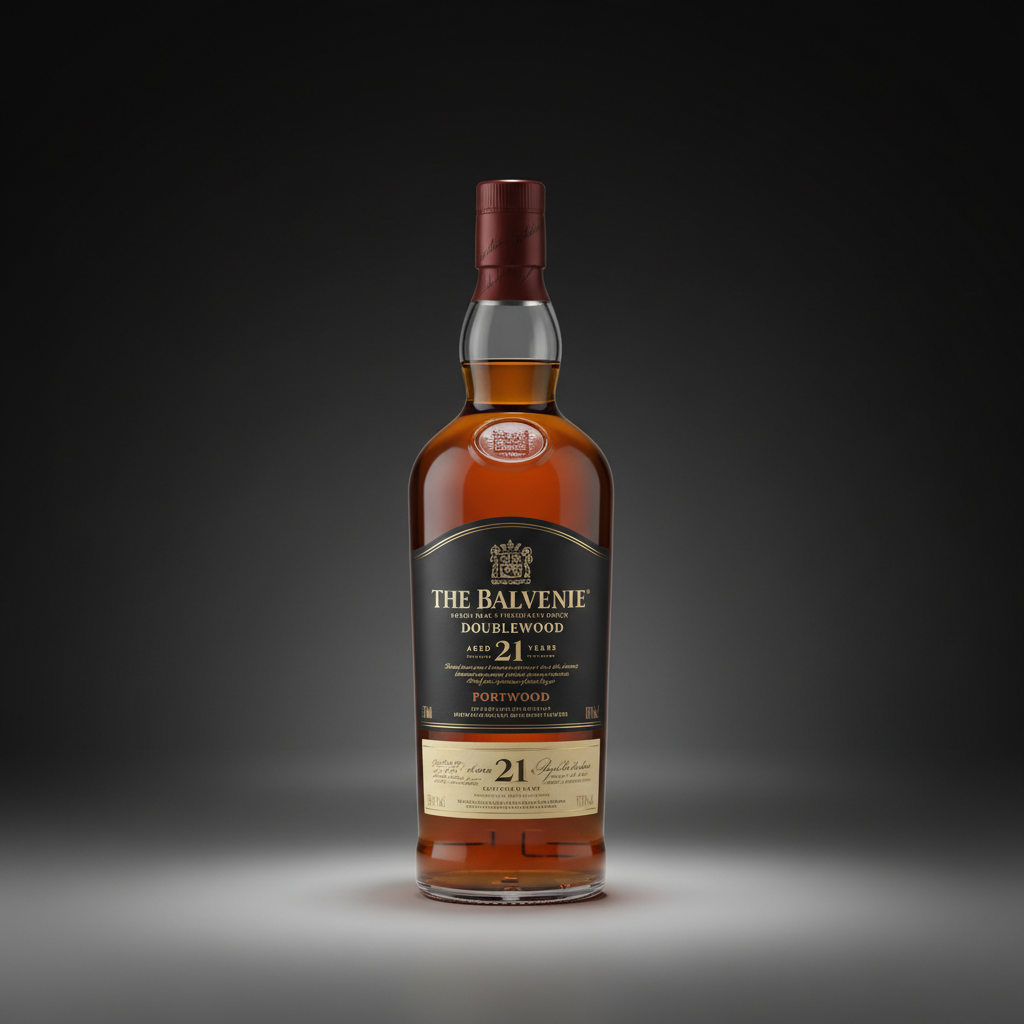
Port casks add red berry fruit, a touch of tannic grip, and often a faint pink or ruby tint to the whisky. The Balvenie 21 Year Old PortWood is a benchmark example, layering that berry sweetness over the distillery's already honeyed, easy-drinking base character.
Rum cask
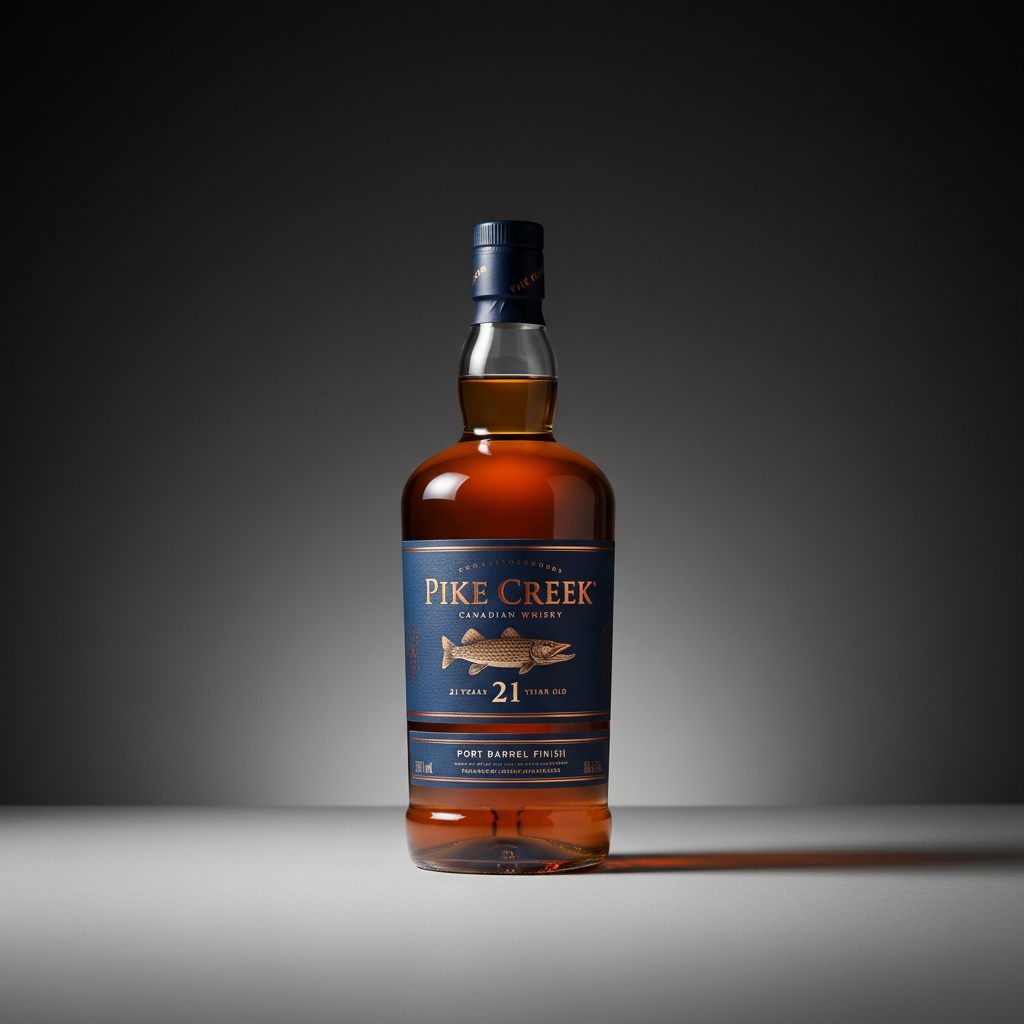
Rum casks bring tropical sweetness, notes of molasses, banana, and baking spice. Pike Creek 21 Year Old Port Barrel Finish and its rum-finished sibling show how a Canadian whisky base takes on very different personalities depending on which cask it finishes in.
Wine cask (Burgundy, Bordeaux, Sauternes)
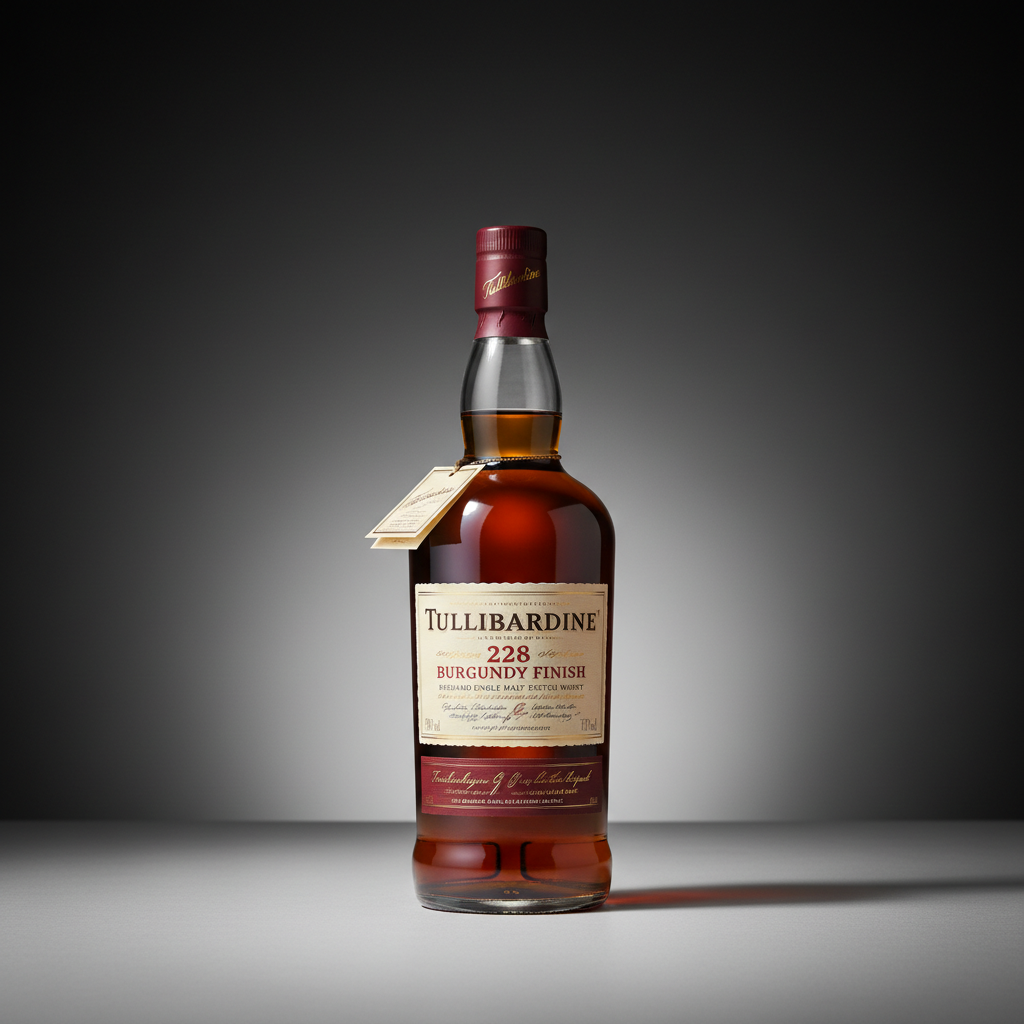
Wine casks tend to bring brighter red fruit and a slightly tannic, winey edge rather than the deeper dried-fruit notes of sherry or Port. Tullibardine 228 Burgundy Finish is a clear example, taking a lighter Highland spirit and giving it a fruitier, more elegant top note.
Sherry cask, but from Asia
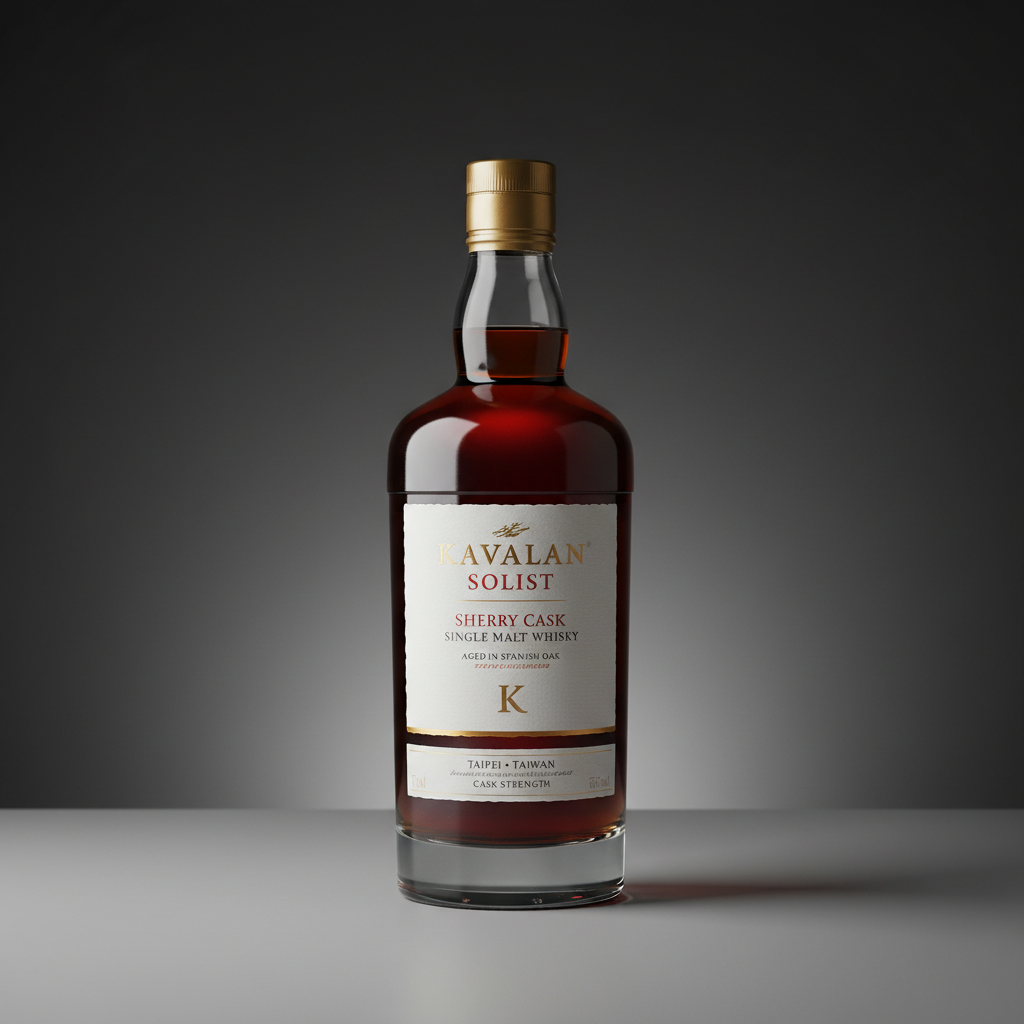
Finishing is not a Scotch-only technique. Kavalan Solist Sherry Cask, from Taiwan, shows how the same finishing logic produces a completely different result in a hot, humid climate where maturation moves faster and flavors concentrate quickly.
How to taste it
If you can find the same distillery's standard, unfinished expression next to a finished one, taste them side by side. The base spirit's character should still be there underneath, just with the finish cask's fruit, spice, or sweetness layered on top. That comparison is the fastest way to actually understand what a finish is doing.
MENTIONED IN THIS GUIDE
Bottles worth tasting
Prices and availability vary by retailer. Some links may earn us a commission — learn more.