WINE · JUNE 16, 2026 · 8 MIN READ
Red Wine for Beginners: Cabernet, Merlot, Pinot Noir, and Syrah
Four grapes cover most of the red wine you''ll ever meet. Learn them and the wall of bottles stops being intimidating.
By SipSeek Editorial
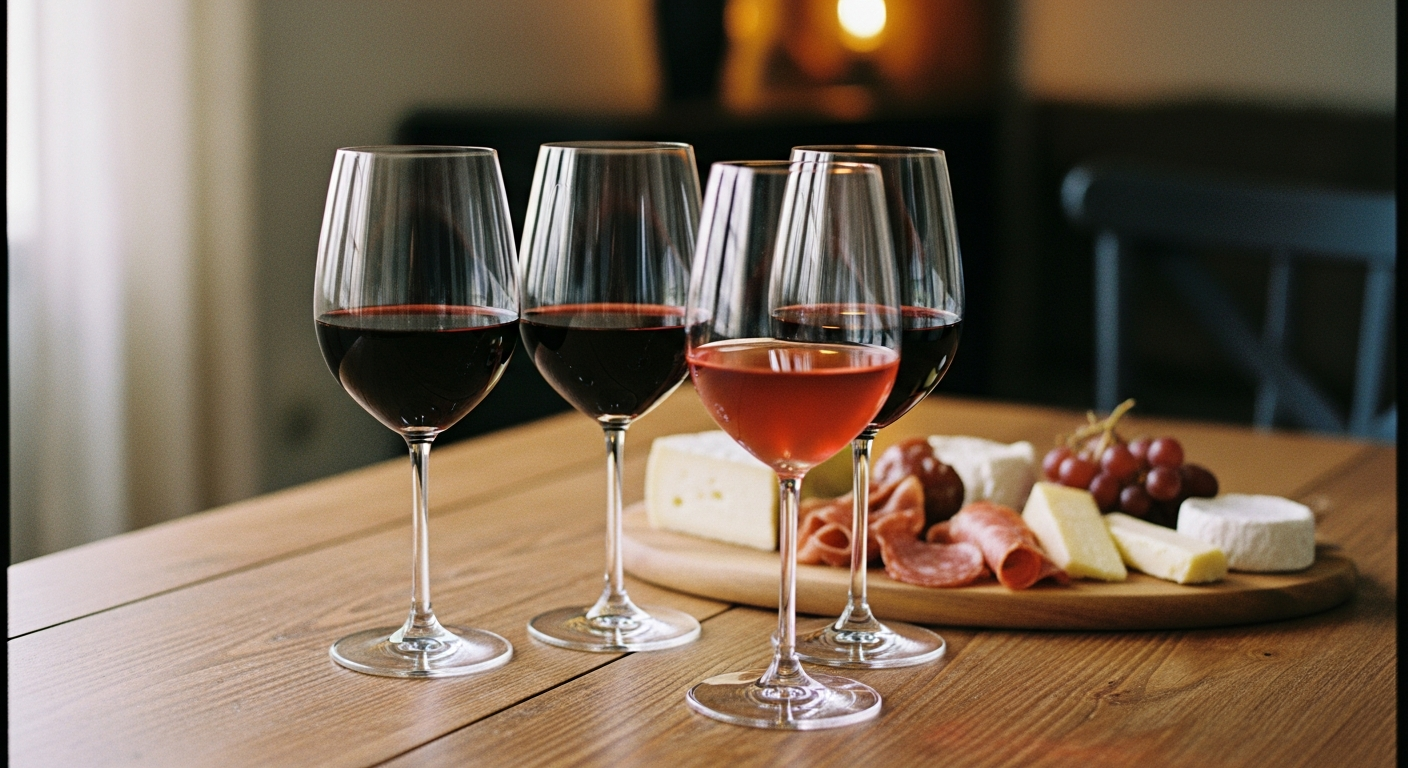
The red wine aisle looks like it requires a degree, but four grapes account for the overwhelming majority of bottles a beginner encounters. Learn how these four behave and you can walk into almost any shop and make a confident guess about what''s in the bottle before you taste it.
These four are varietals — wines named after the single grape they''re mostly made from. That naming style is the New World habit (US, Australia, Chile). Old World bottles often hide the grape behind a place name, but the grapes underneath are frequently the same four.
Cabernet Sauvignon — the bold one
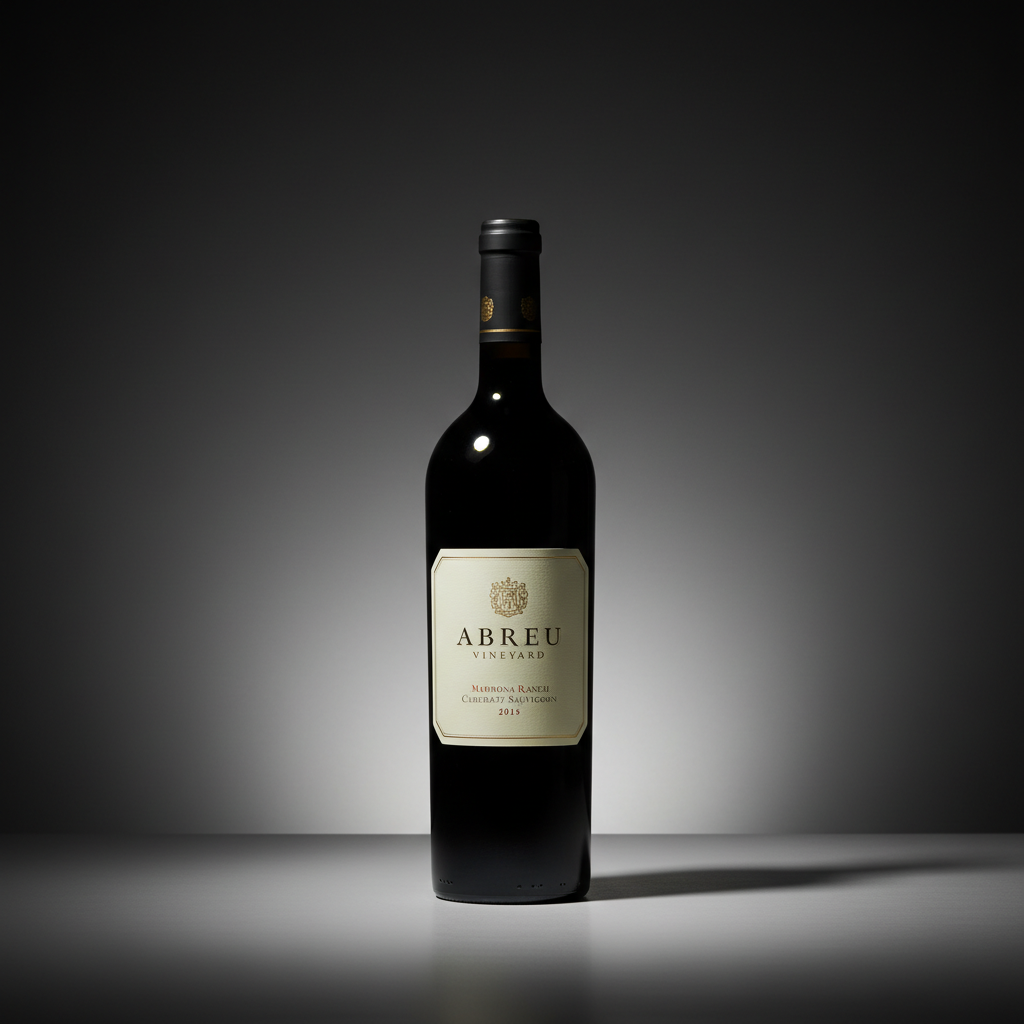
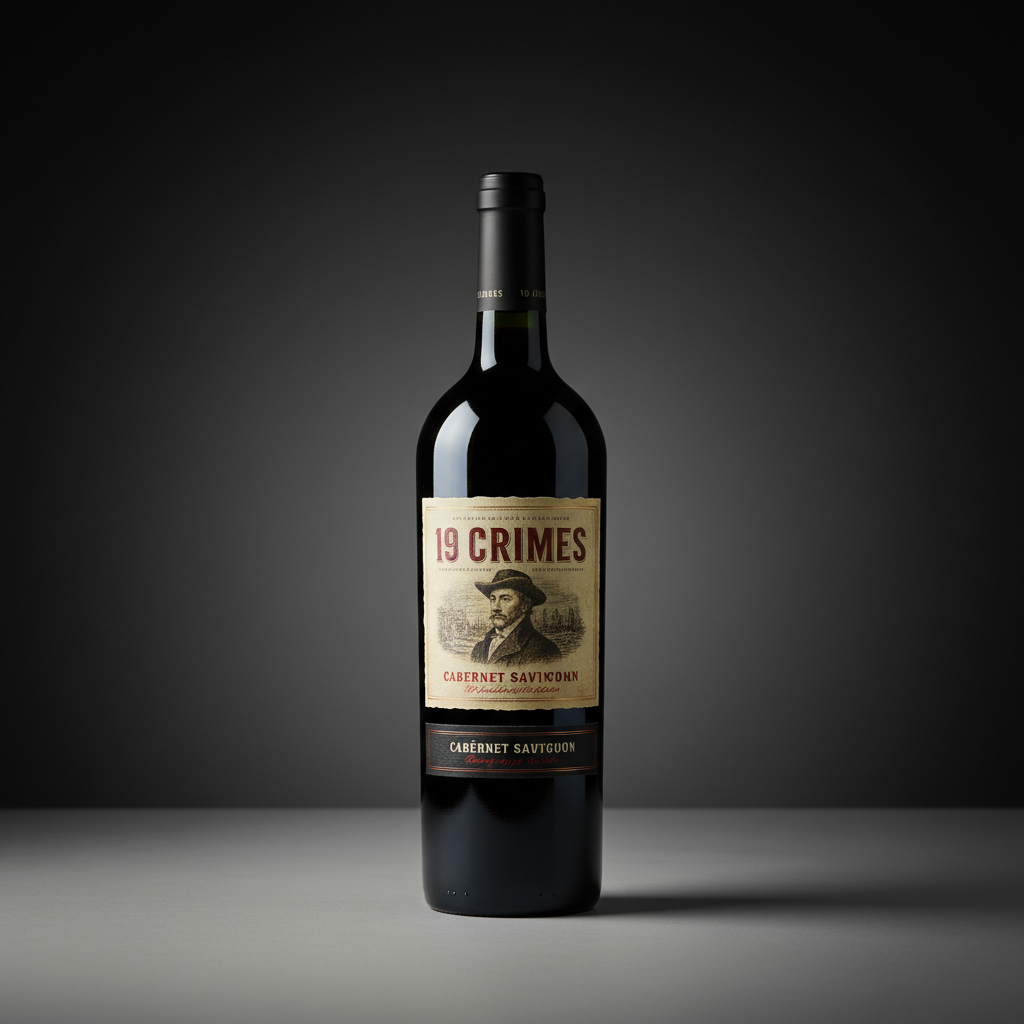
Cabernet is the most planted red grape on earth, and it earned that spot by being reliably big. Expect full body, firm tannin (the drying, grippy sensation), and flavors of blackcurrant, black cherry, cedar, and often a graphite or tobacco edge from oak aging.
- Body: full
- Tannin: high
- Pairs with: steak, lamb, aged hard cheese
- Try: a Napa Cabernet ($25-40) or a more affordable Chilean Cabernet ($12-18)
Cabernet wants fat and protein. A ribeye softens its tannin and makes the fruit pop. Drinking it alone, young and cheap, can feel harsh — which is why it''s the grape most worth pairing with food.
Merlot — the soft one
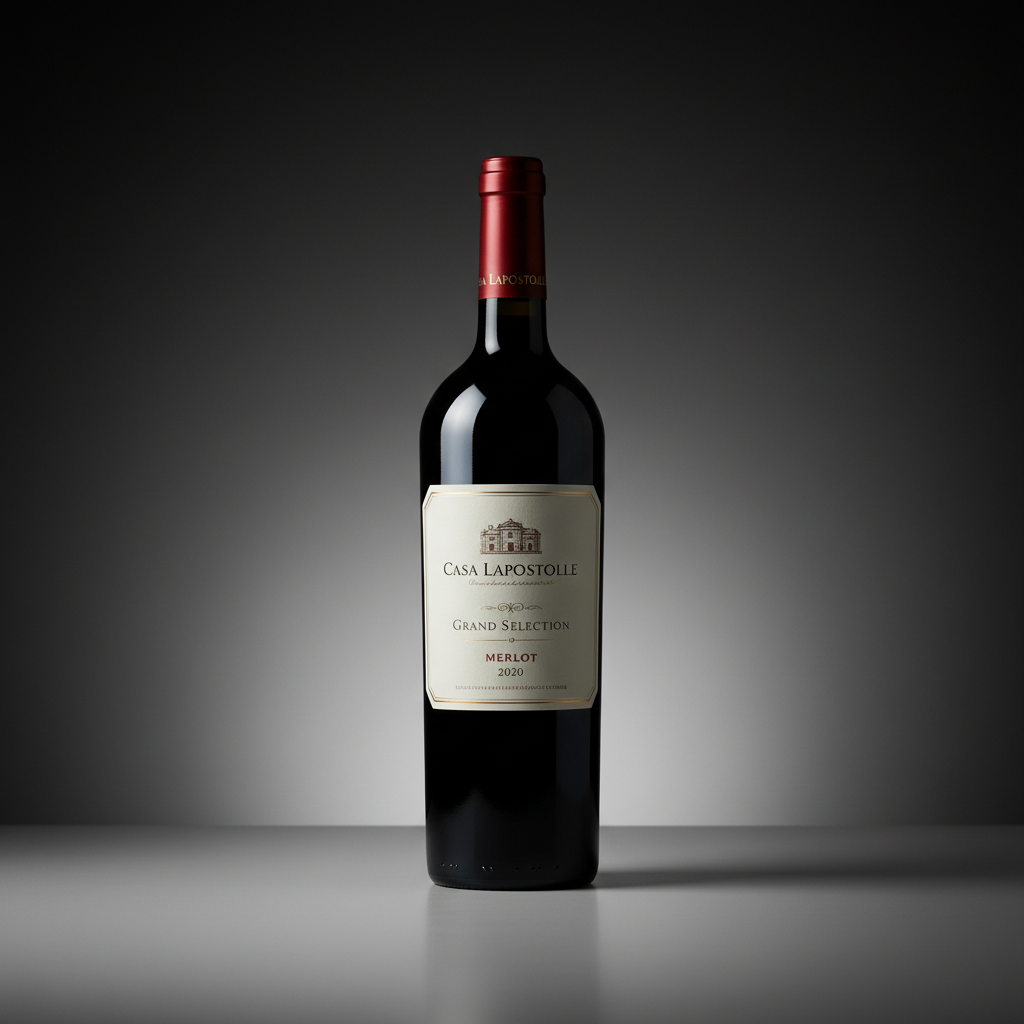
Merlot is Cabernet''s plush cousin: similar dark fruit, much less grip. Softer tannins, rounder texture, flavors of plum, black cherry, and chocolate. It''s the easiest of the four to drink on its own.
- Body: medium to full
- Tannin: medium
- Pairs with: roast chicken, pork, mushroom dishes, burgers
- Try: a Washington State Merlot ($15-25)
Merlot took an unfair reputational hit from one movie line two decades ago. Ignore it. A good Merlot is one of the friendliest reds you can buy.
Pinot Noir — the delicate one
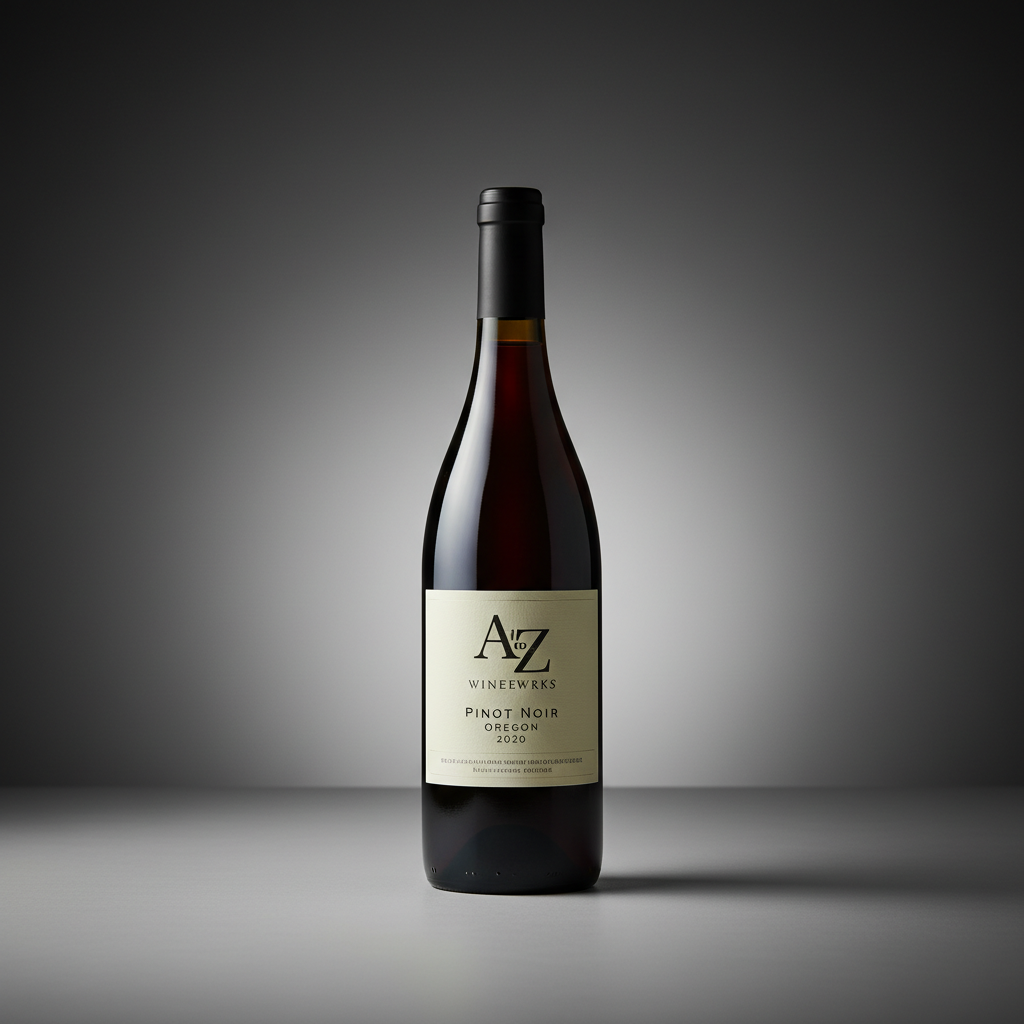
Pinot is the lightweight, and that''s its appeal. Pale color, low tannin, high acidity, with red fruit (cherry, raspberry, cranberry) and often an earthy, mushroom, or forest-floor note. It rewards attention rather than demanding it.
- Body: light
- Tannin: low
- Pairs with: salmon, duck, roast turkey, mushroom risotto
- Try: an Oregon Pinot Noir ($20-35) or an entry Burgundy ($25-40)
Pinot is the red that wine lovers chase hardest, because at its best it''s extraordinary and at its cheapest it''s often thin. Spend a little more here than you would on the others.
Syrah / Shiraz — the peppery one
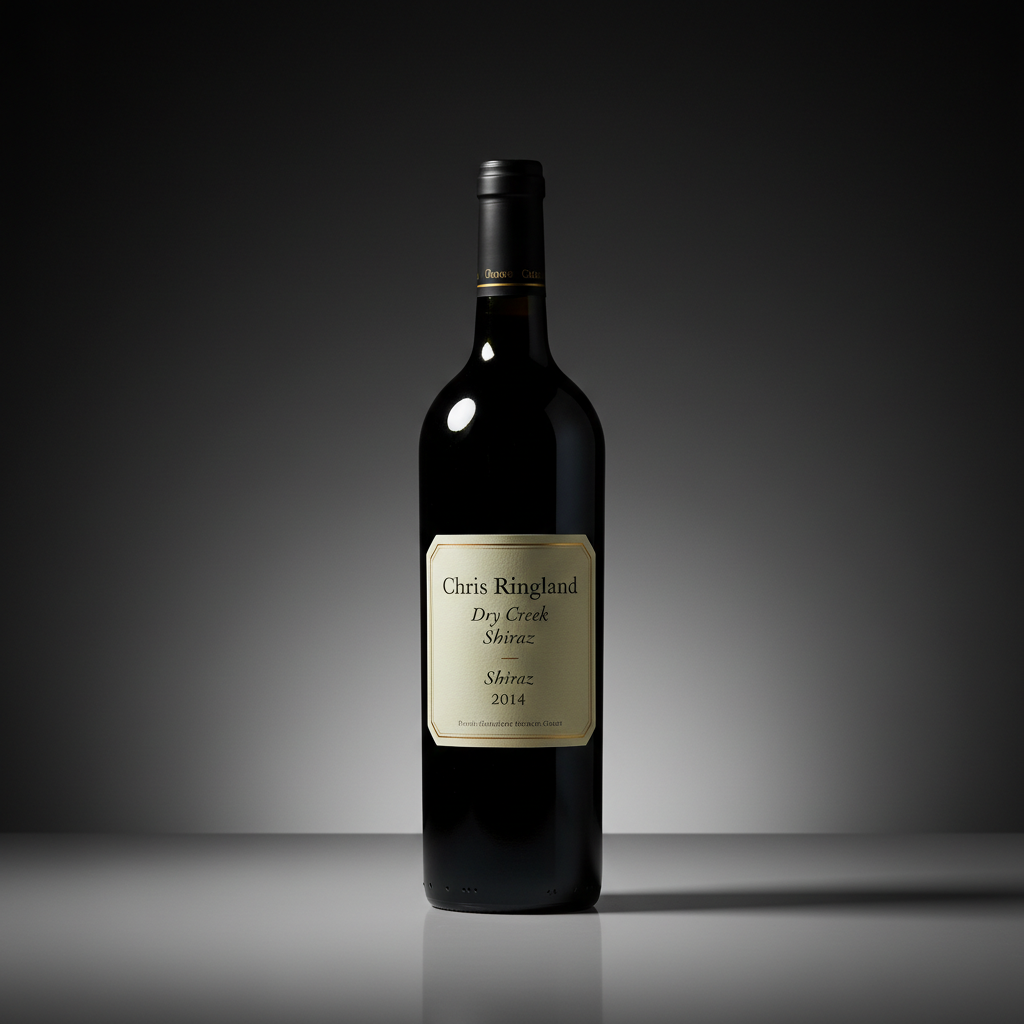
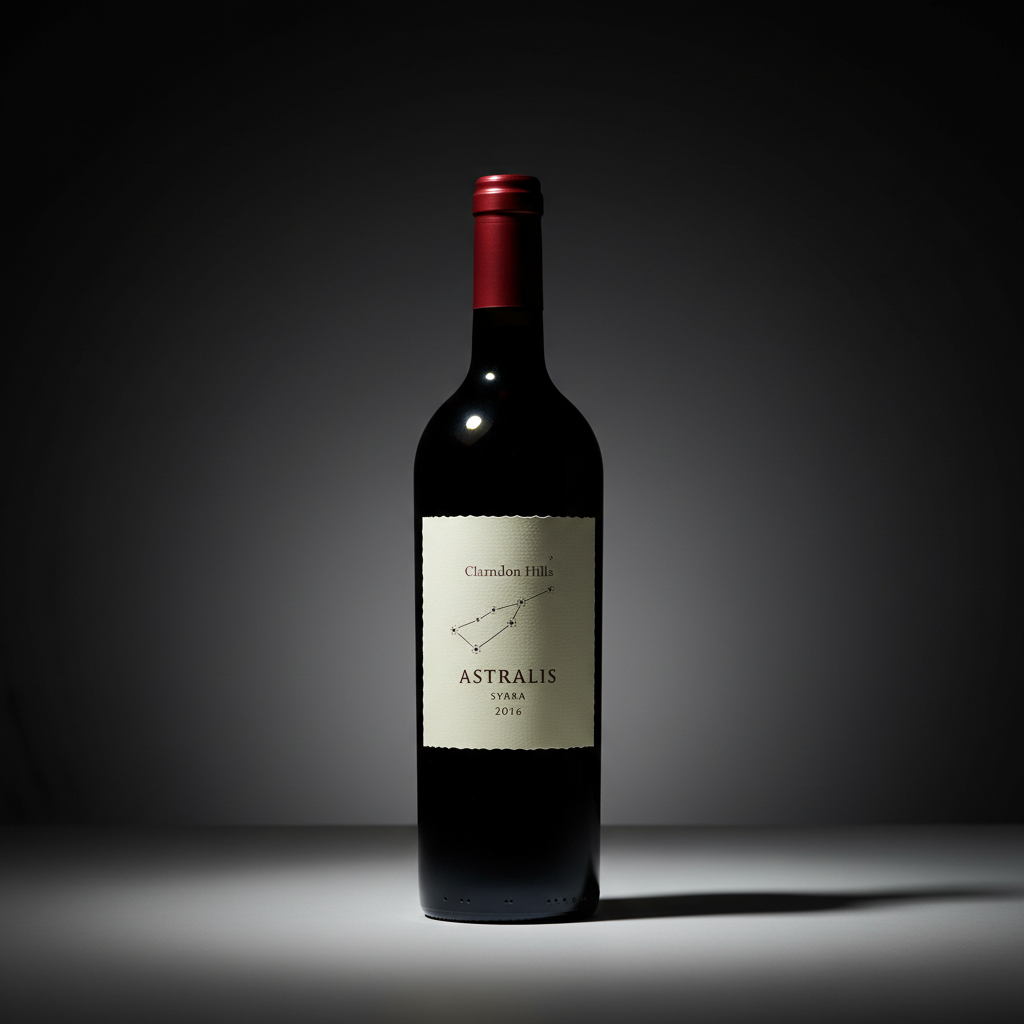
Same grape, two names: Syrah (France, cooler-climate, savory) and Shiraz (Australia, warmer, jammier). Expect full body, dark fruit, smoked meat, and a signature crack of black pepper.
- Body: full
- Tannin: medium to high
- Pairs with: barbecue, grilled sausage, braised beef, black-pepper dishes
- Try: an Australian Shiraz ($12-20) or a Northern Rhône Syrah ($25-40)
If you like Cabernet but want something with a savory, meaty, peppery twist, Syrah is your next stop.
How to taste them side by side
Buy one inexpensive bottle of each, open all four, and pour a small glass of every one. Go from lightest to heaviest: Pinot Noir, then Merlot, then Syrah, then Cabernet. Notice how the body gets heavier and the tannin grippier as you move along the line. That single tasting teaches you the entire spectrum faster than any book.
Where to start
If you''re brand new, buy a Merlot and a Pinot Noir first — they''re the two least likely to feel harsh on their own, and they sit at opposite ends of the body scale. Once you know which direction you prefer, add a Cabernet (if you liked the bigger Merlot) or stay light and explore more Pinot. Save Syrah for when you want to learn what "savory" means in a red.
MENTIONED IN THIS GUIDE
Bottles worth tasting
Prices and availability vary by retailer. Some links may earn us a commission — learn more.