SPIRITS · SEPTEMBER 15, 2026 · 5 MIN READ
Pisco vs Grappa: Two Grape Brandies Compared
Both come from grapes, both skip the barrel, and they taste nothing alike
By SipSeek Editorial
Pisco and grappa are often lumped together because both are clear, mostly unaged spirits made from grapes rather than grain. That is where the similarity ends. The two come from completely different parts of the winemaking process, and it shows in the glass.
Pisco: distilled from the must
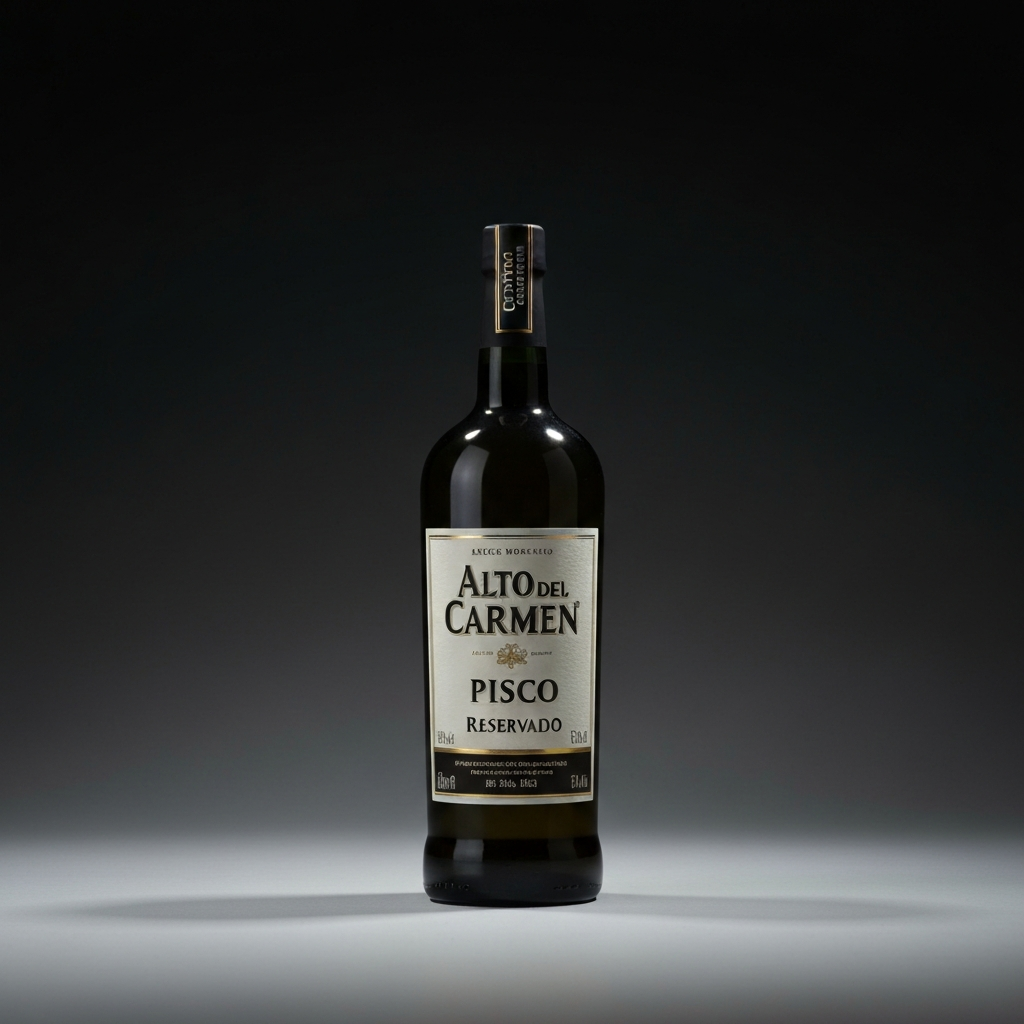
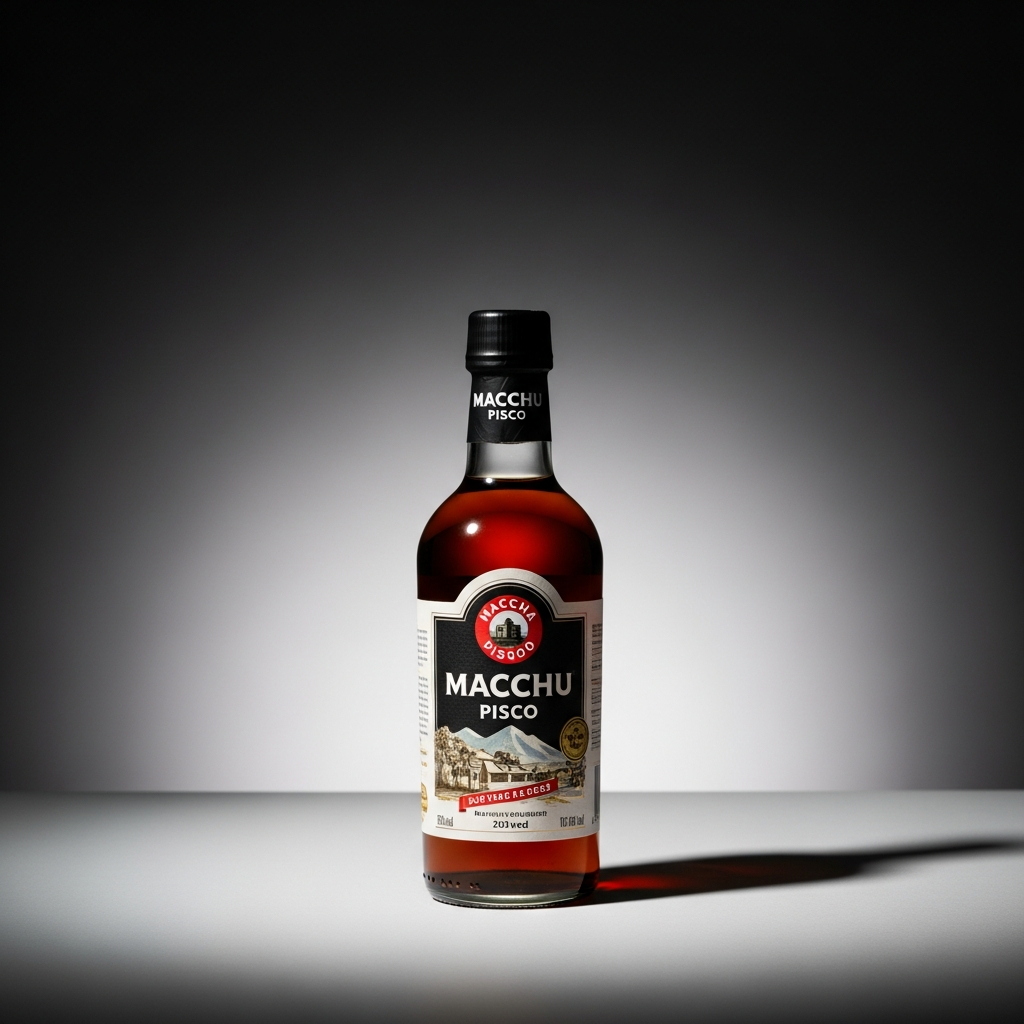
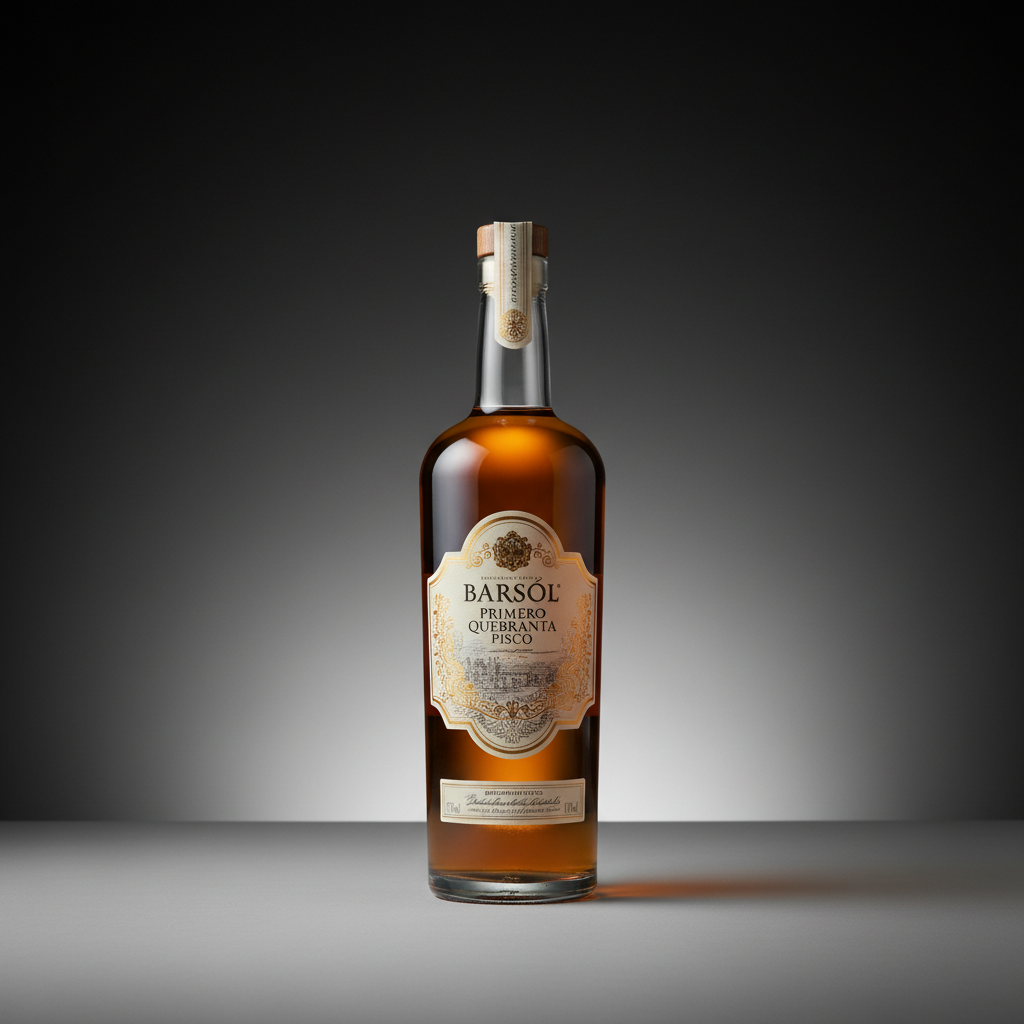
Pisco is made in Peru and Chile by distilling fresh grape must, the juice straight from freshly pressed grapes, often from aromatic Muscat-family varieties. It is typically unaged or aged only briefly in neutral vessels, which keeps the fruit and floral character front and center.
Peruvian pisco has strict rules: it cannot be diluted with water after distillation and cannot be aged in reactive (flavor-adding) wood, so what you taste is close to the pure distillate. Chilean pisco allows both dilution and aging in wood, producing a slightly softer, sometimes golden-tinted style.
Reach for it when: making a Pisco Sour, or sipping something bright and aromatic on its own.
Grappa: distilled from the leftovers
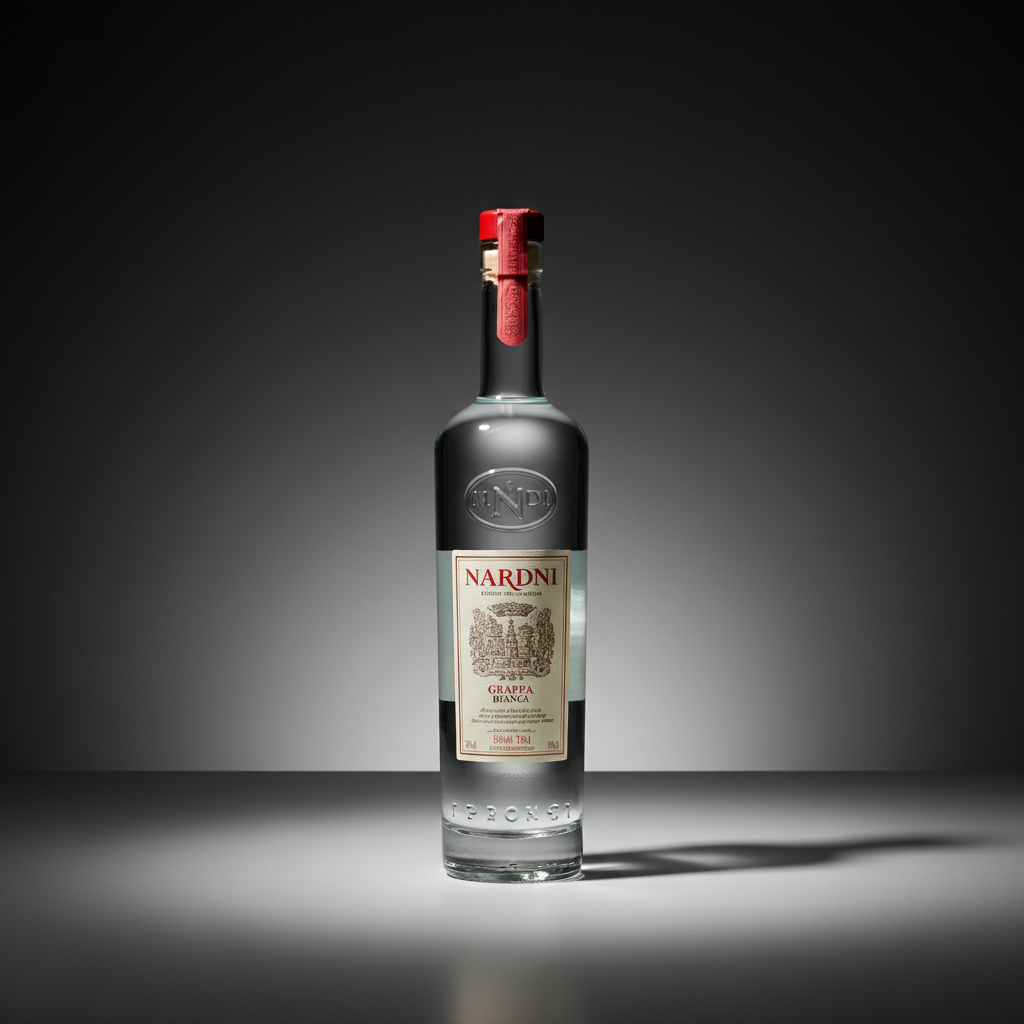
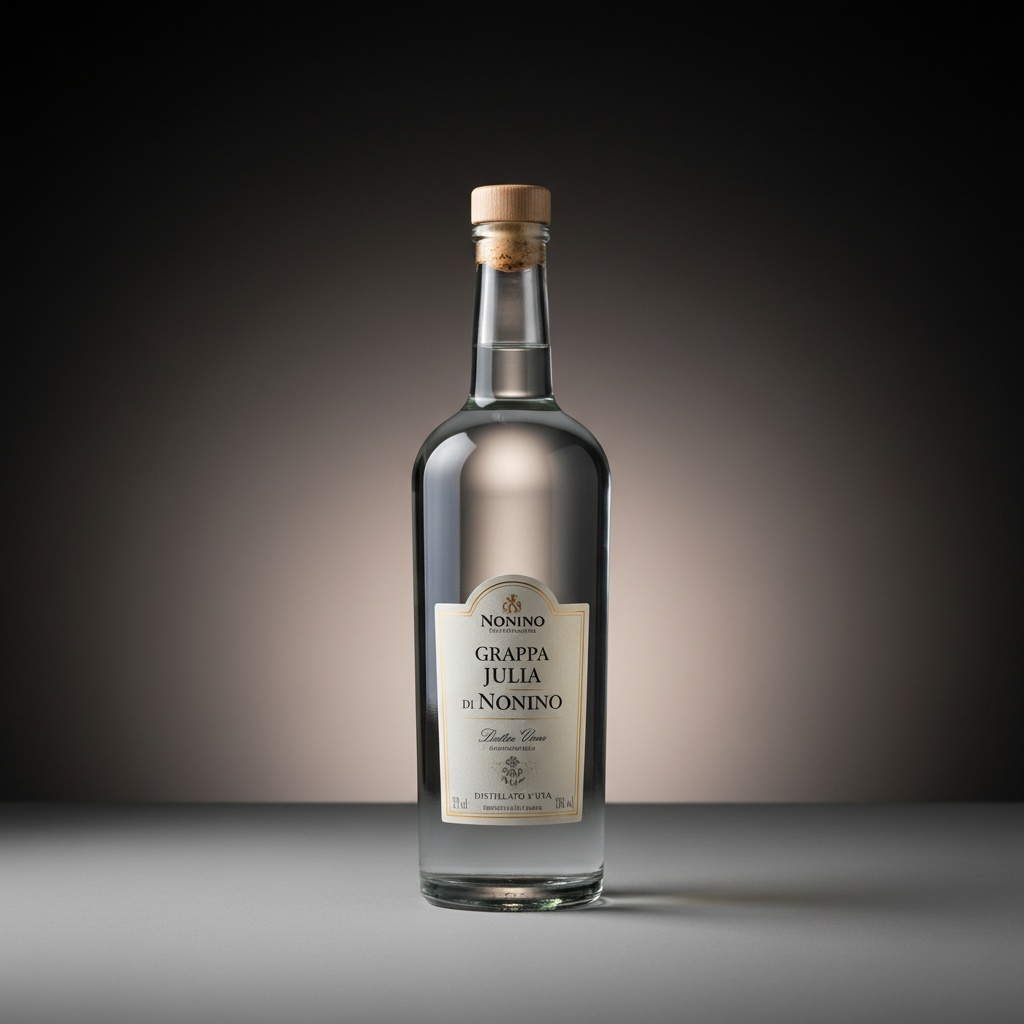
Grappa is Italy's answer to "what do we do with the skins, seeds, and stems left over after pressing wine grapes." That leftover mass, called pomace, still holds enough sugar and flavor to distill into a spirit. Because it comes from solid grape matter rather than juice, grappa tends to be more rustic and intense, with earthier, sometimes floral or herbal notes depending on the grape variety used.
Most grappa is bottled young and clear (giovane), but aged versions labeled invecchiata or riserva pick up amber color and softer, oak-influenced flavor from time in barrel.
Reach for it when: finishing a meal in the Italian tradition, as a digestivo meant to be sipped slowly in a small glass.
Side by side
Pisco is made from juice, is usually more floral and citrusy, and works well in cocktails. Grappa is made from pomace, is usually more intense and herbal, and is traditionally drunk neat after dinner rather than mixed.
Putting it to use
If you are new to both, start with a Peruvian pisco in a classic Pisco Sour to see the style at its brightest, then try a young, unaged grappa on its own after a meal to feel the contrast. The gap between the two will make sense immediately.
MENTIONED IN THIS GUIDE
Bottles worth tasting
Prices and availability vary by retailer. Some links may earn us a commission — learn more.