WINE · JUNE 17, 2026 · 7 MIN READ
How to Pair Wine with Food: The 5 Rules That Actually Work
Forget the charts. Five simple principles handle almost every pairing decision you''ll ever face.
By SipSeek Editorial
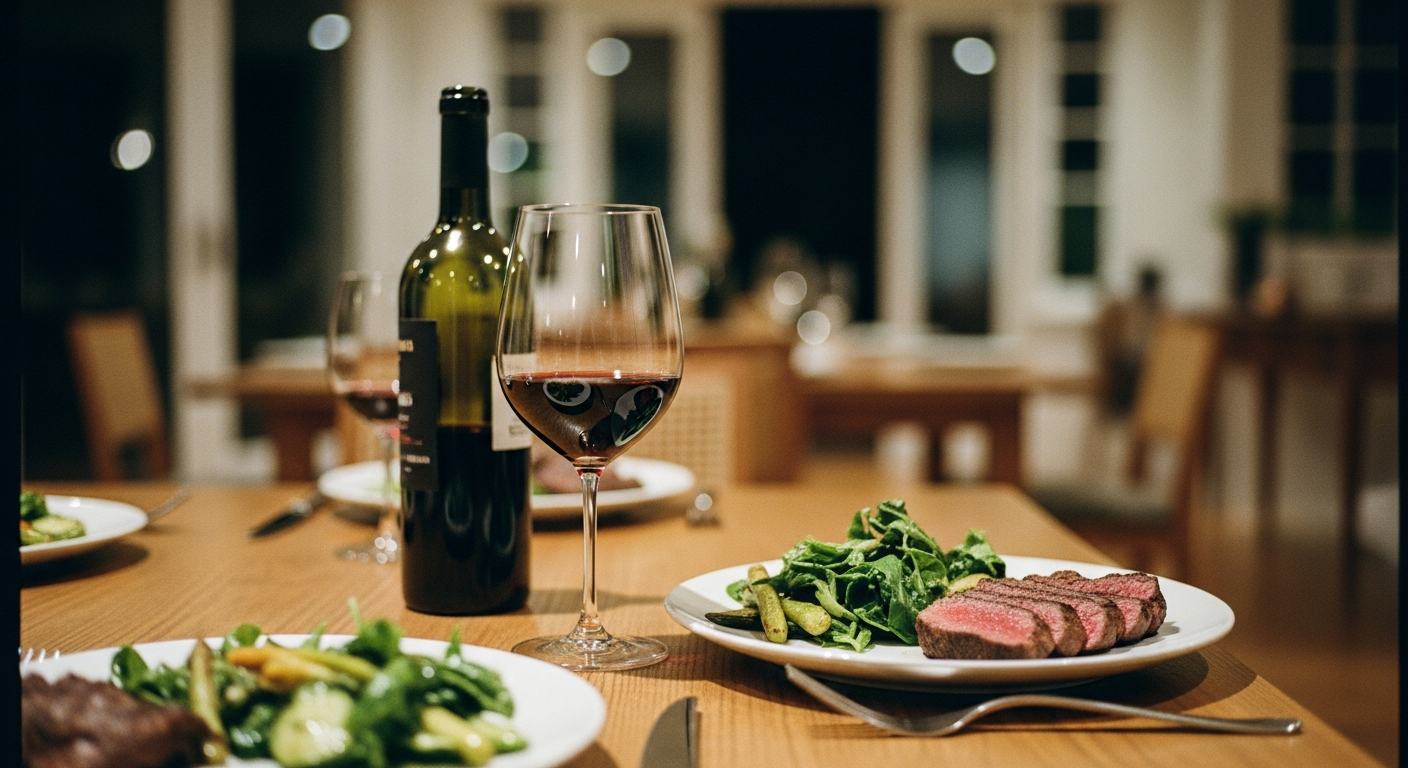
Wine pairing has a reputation for being fussy and rule-bound, but almost every good pairing comes down to five principles. Memorize these and you can improvise confidently instead of memorizing a chart for every dish.
Rule 1: Match the weight
Light food wants light wine; heavy food wants heavy wine. A delicate white fish is steamrolled by a big Cabernet, and a light Pinot Grigio vanishes next to a braised short rib. Picture both the dish and the wine on a scale from light to rich, and aim to balance them.
- Light: salads, white fish, fresh cheese → light wines (Pinot Grigio, Sauvignon Blanc)
- Medium: chicken, pork, salmon → medium wines (Chardonnay, Pinot Noir)
- Heavy: steak, lamb, stew → full reds (Cabernet, Syrah, Malbec)
Rule 2: Acid loves acid
A high-acid wine next to a low-acid dish tastes sharp and sour. But pair high-acid wine with high-acid or fatty food and it turns refreshing — the acid cuts through richness like a squeeze of lemon. This is why a crisp Sauvignon Blanc is magic with goat cheese, and why a zippy Italian white works with tomato sauce.
If a dish has lemon, vinegar, or tomato in it, reach for a wine with bright acidity.
Rule 3: Sweet beats heat
Spicy food and high-alcohol, tannic wine are enemies — the alcohol amplifies the burn. The fix is a touch of sweetness. An off-dry Riesling or Gewürztraminer tames chili heat and complements the aromatics in Thai, Indian, and Sichuan food beautifully.
The wine doesn''t need to taste like dessert — just slightly off-dry is enough to cool the fire.
Rule 4: Tannin needs fat
Tannin (that drying grip in bold reds) feels harsh on its own but softens dramatically against fat and protein. That''s the whole reason "steak and Cabernet" is a cliché — the fat in the meat rounds off the tannin and lets the fruit show. Pair a tannic red with a lean or delicate dish and it''ll taste bitter.
Bold red? Serve it with something fatty: ribeye, lamb, aged cheese, a rich mushroom dish.
Rule 5: Pair to the sauce, not the protein
A chicken breast with lemon butter and a chicken thigh in red mole want completely different wines, even though both are "chicken." The dominant flavor — usually the sauce or seasoning — drives the pairing more than the meat does. Match the wine to whatever is loudest on the plate.
Putting it together
Say you''re having grilled salmon with a tomato-caper sauce. Salmon is medium weight (Rule 1 → medium wine), the tomato and capers bring acid (Rule 2 → high-acid wine), and the sauce is the loud part (Rule 5 → pair to it). A medium-bodied, high-acid red like a chilled Pinot Noir or a Sangiovese threads all three needles.
Where to start
Don''t try to apply all five at once. Pick Rule 1 (match the weight) for your next few dinners — it''s the single most reliable principle and prevents the most common mistake, which is overpowering delicate food. Once weight-matching feels automatic, layer in acid and tannin. Within a month, pairing stops being a lookup and becomes instinct.
MENTIONED IN THIS GUIDE
Bottles worth tasting
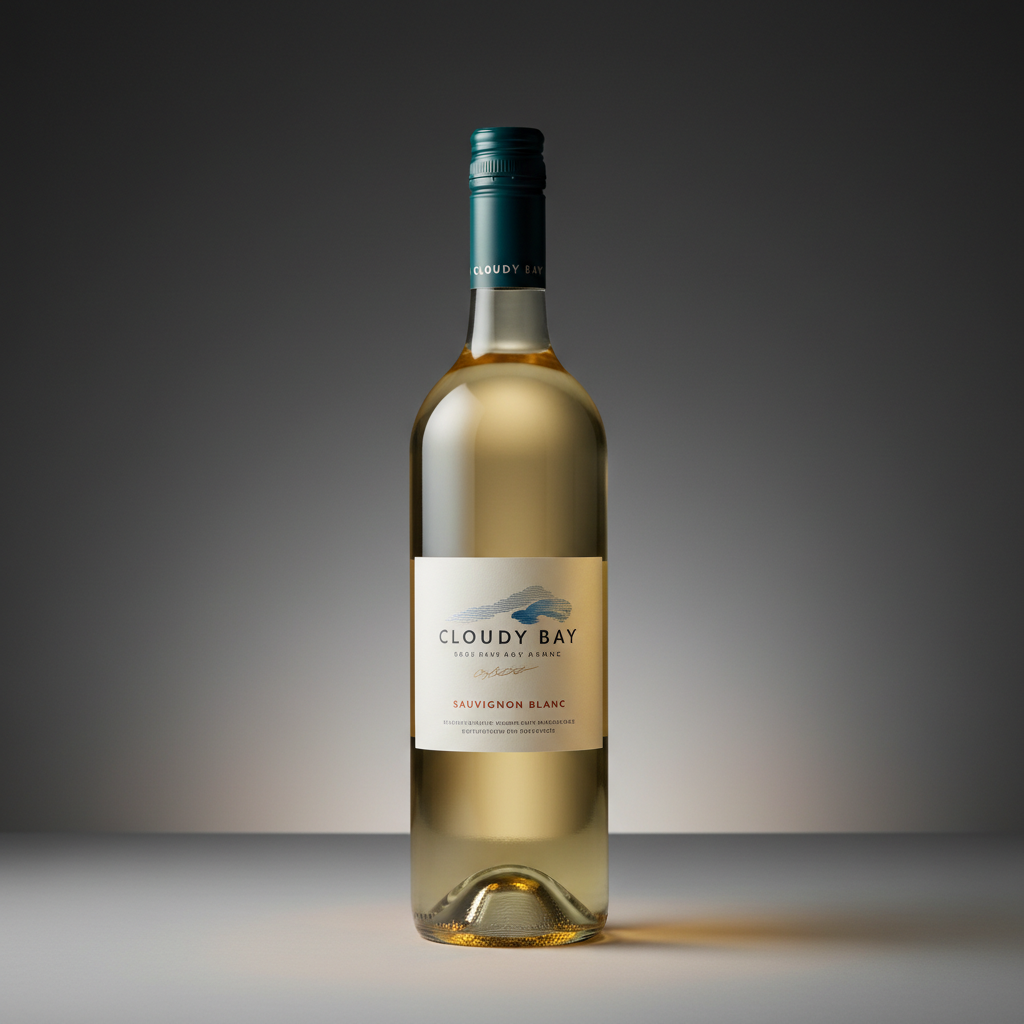
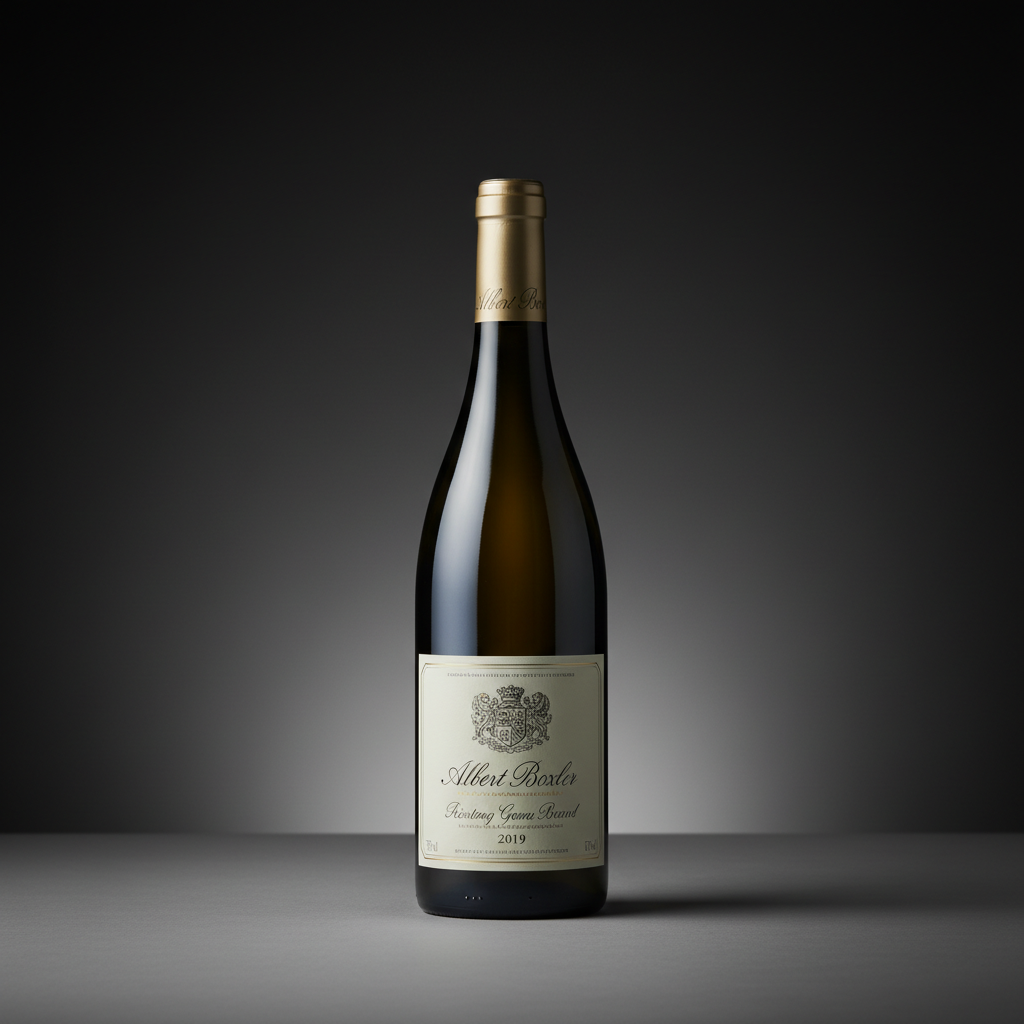
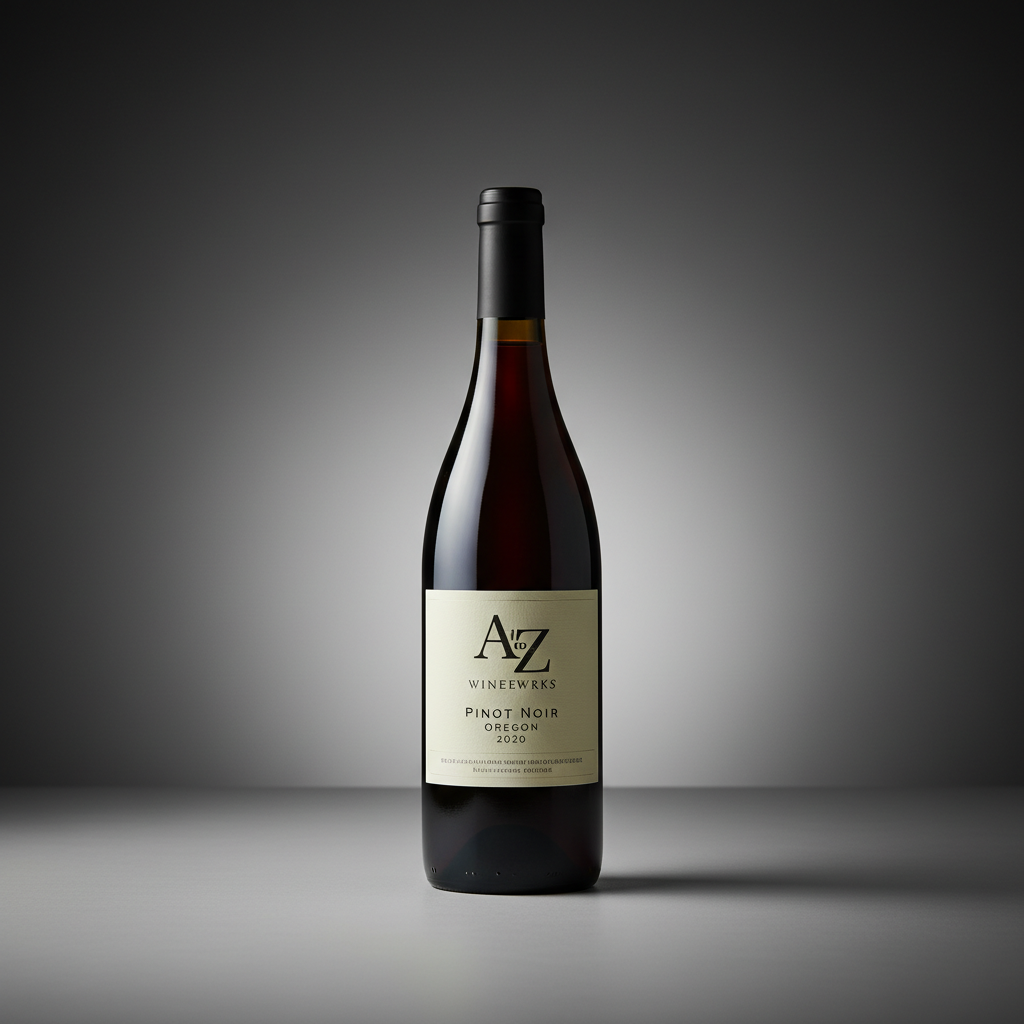
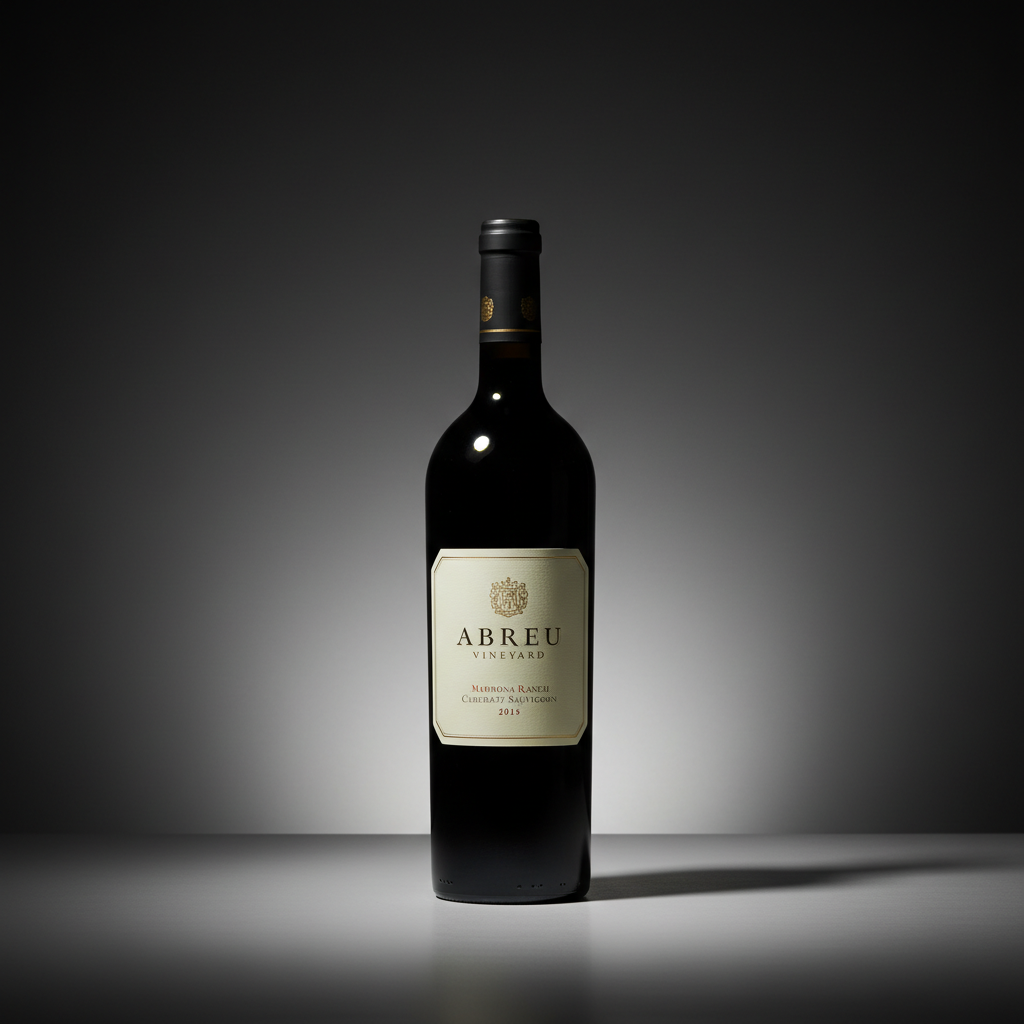
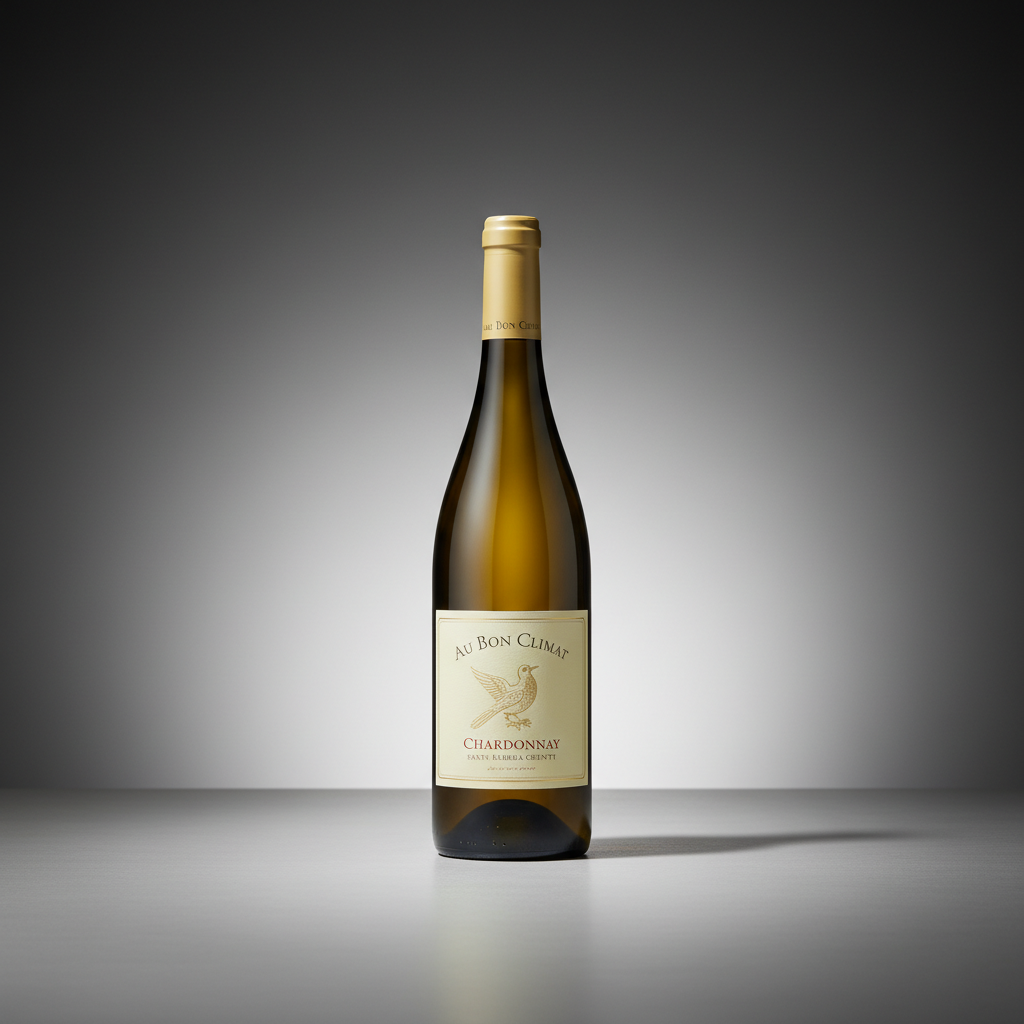
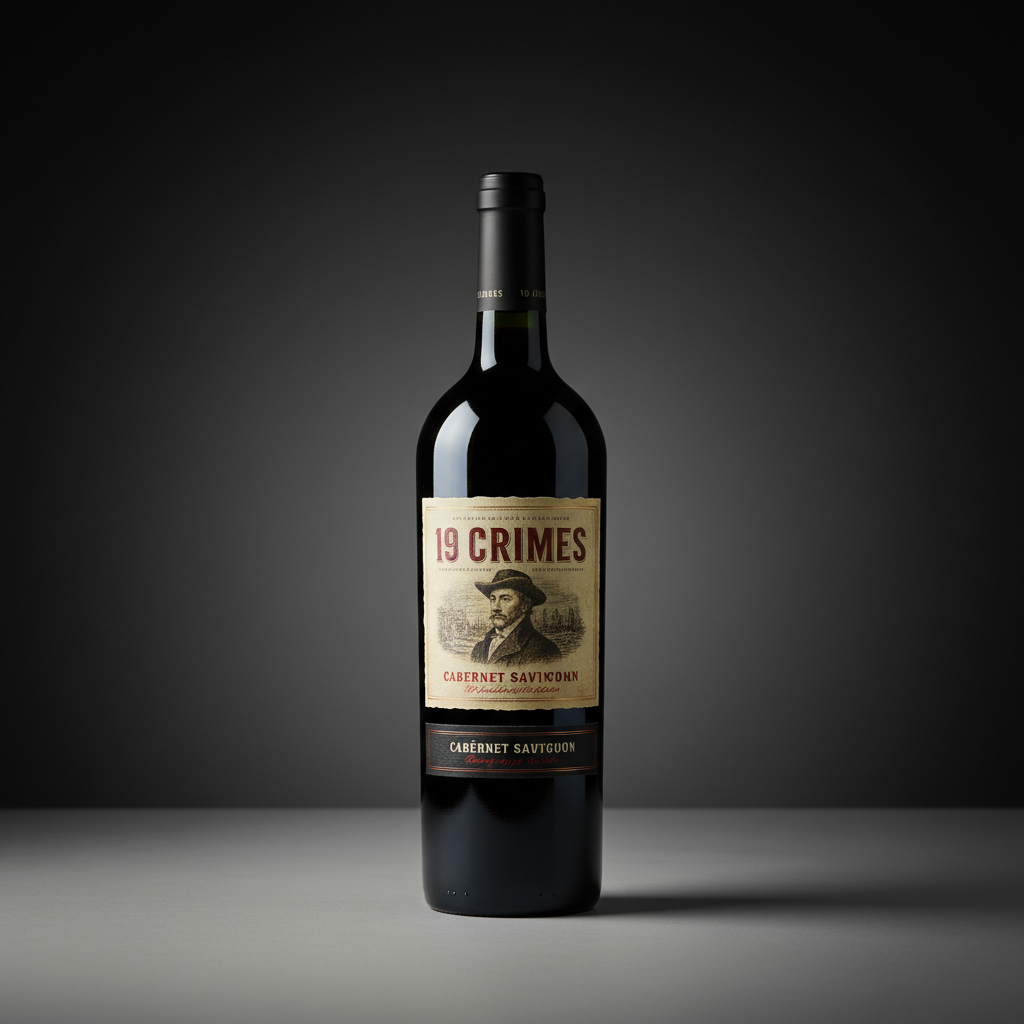
Prices and availability vary by retailer. Some links may earn us a commission — learn more.